
Cut Bank offers a blend of practical amenities, open Montana skies, and a downtown core that reflects the town’s long connection to rail, agriculture, and regional travel. This spotlight looks at the parks, Main Street atmosphere, and local history that shape daily life, while also highlighting what home buyers may notice about housing styles and location advantages. If you want a grounded feel for the community beyond listing photos, this guide is a good place to start.
Where everyday convenience meets small-town character
Set along the Hi-Line in northwestern Montana, Cut Bank has a straightforward, welcoming rhythm that becomes clear the moment you spend time in town. Daily errands are close at hand, the street grid is easy to navigate, and the surrounding views create a sense of openness that is hard to miss. Rather than relying on buzzwords, Cut Bank stands out through practical livability: established neighborhoods, visible local businesses, public green space, and a downtown corridor that still functions as a real center of activity.
For people exploring the local real estate market, that mix can matter just as much as square footage. Homes here often sit on usable lots, and many streets show the appeal of an established community: mature trees, detached garages, practical layouts, and a range of property types that reflect different periods of development. Some buyers are drawn to the classic Montana look of sturdy exteriors and simple floor plans, while others focus on update potential, outbuildings, or proximity to parks and services.
The town’s scale also makes it easier to understand location tradeoffs quickly. A home near the center of town may offer faster access to schools, services, parks, and community events, while properties on quieter residential blocks may feel more tucked away without being far from daily needs. In a market like this, context matters, and Cut Bank’s compact footprint helps buyers and sellers evaluate it clearly.
In a town with a manageable street layout, a few blocks can change the feel of a property without dramatically changing access to everyday destinations. That makes in-person tours especially useful when comparing homes in Cut Bank.
Parks and open space add breathing room
One of the most appealing features of Cut Bank is how easily parks and open public areas fit into the landscape. Green space is not hidden away; it is part of how the community functions. Local parks provide room to walk, sit outside, enjoy seasonal changes, or simply break up the day with a short outing. In a place where the sky feels big and the wind reminds you that the prairie and mountains are never far away, even modest parks can feel expansive.
These spaces also contribute to how neighborhoods feel from the street. Blocks near parks often benefit from a more open visual pattern, with longer sightlines, mature plantings, and room between structures. For homeowners, that can translate into a pleasant everyday setting as well as a feature worth noting when it comes time to sell. Buyers frequently pay attention to simple quality-of-life details like nearby recreation, public seating, sidewalks, and how well a neighborhood connects to the rest of town.

Because Cut Bank experiences true seasonal variation, parks can also change character throughout the year. Summer highlights greenery and longer evenings, while cooler months bring a different kind of beauty shaped by crisp air and broad views. That seasonal variety can make outdoor areas feel useful in different ways, whether someone values a quick walk after work, open space for recreation, or the visual relief that comes from living near a public green area.
For sellers, park access is one of those features that should be described accurately and specifically. Instead of vague lifestyle promises, it is more effective to point to facts: distance to a park, views from the property, nearby walking routes, or the presence of open space on the block. Those concrete details help buyers picture how a location functions in real life.
Main Street offers a practical sense of place
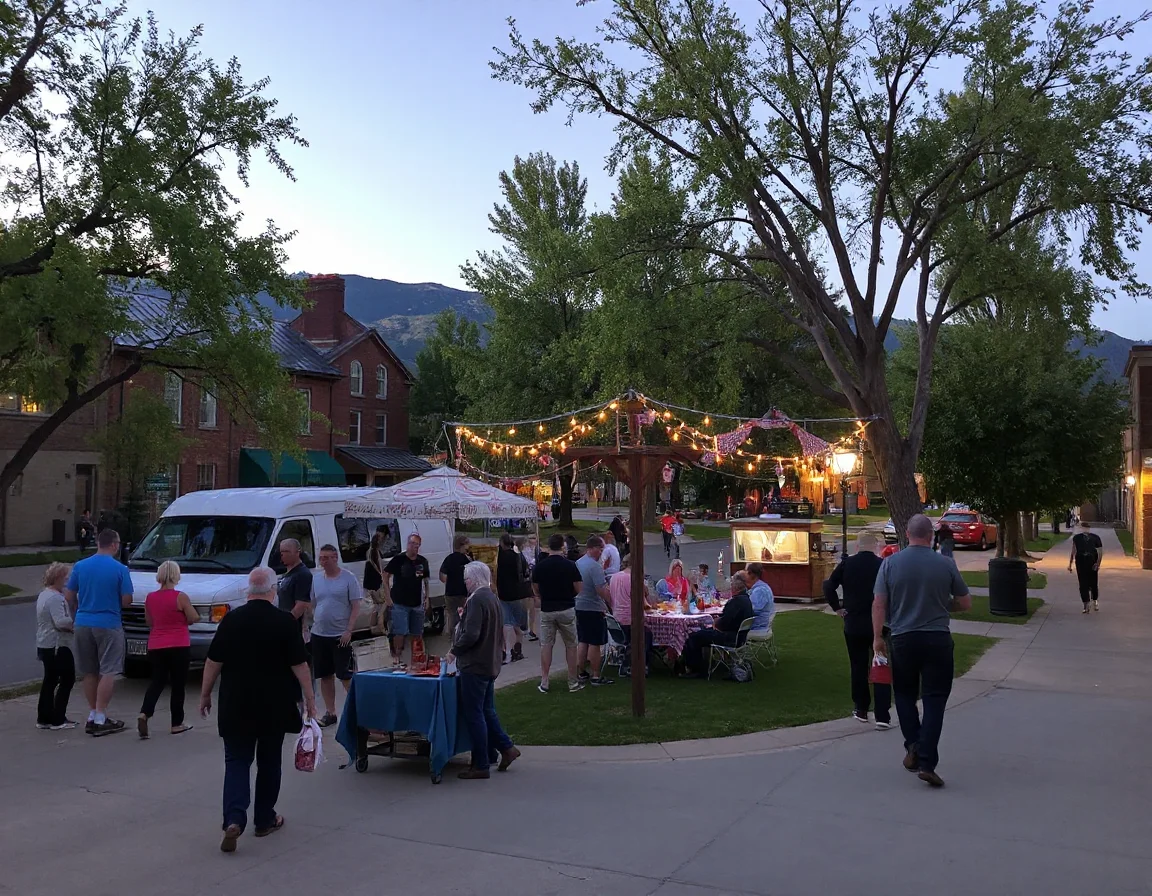
Every town has a few blocks that tell you how it sees itself, and in Cut Bank that role belongs to Main Street and the nearby commercial core. This is where the town’s everyday identity comes into focus. You see the building scale, the pace of local traffic, the older storefront architecture, and the kinds of businesses that serve residents and travelers alike. It is not about spectacle. It is about function, familiarity, and continuity.
That practical downtown presence has real value in a housing market. Proximity to a recognizable town center can support convenience and make a home easier to orient within the broader community. It can also help newcomers understand the cadence of the area quickly: where to stop, where services cluster, how far key destinations feel, and what the town looks like when people are going about normal daily routines.
Architecturally, Main Street often gives context to nearby residential areas. Older homes near the center may reflect the same era as adjacent commercial buildings, with straightforward construction, durable materials, and details tied to the town’s historic growth. Newer or updated homes farther out may offer a different balance of space, finishes, and layout. Neither is inherently better; each appeals for different reasons, and seeing the downtown core helps explain why the housing stock looks the way it does.
Main Street can be one of the fastest ways to understand a market’s personality. Spend a few minutes there before or after showings, and nearby residential blocks often make more sense.
Local history still shapes the housing conversation
Cut Bank’s history is part of its everyday backdrop, not just a museum topic. The community’s growth has long been connected to transportation routes, agricultural patterns, and its role as a service center in the region. That history shows up in the town layout, in the age and variety of homes, and in the sense that many properties were built for durability and utility first. For buyers, that can mean opportunities to find solid structures with character. For sellers, it means the story of a home often includes more than a list of updates.
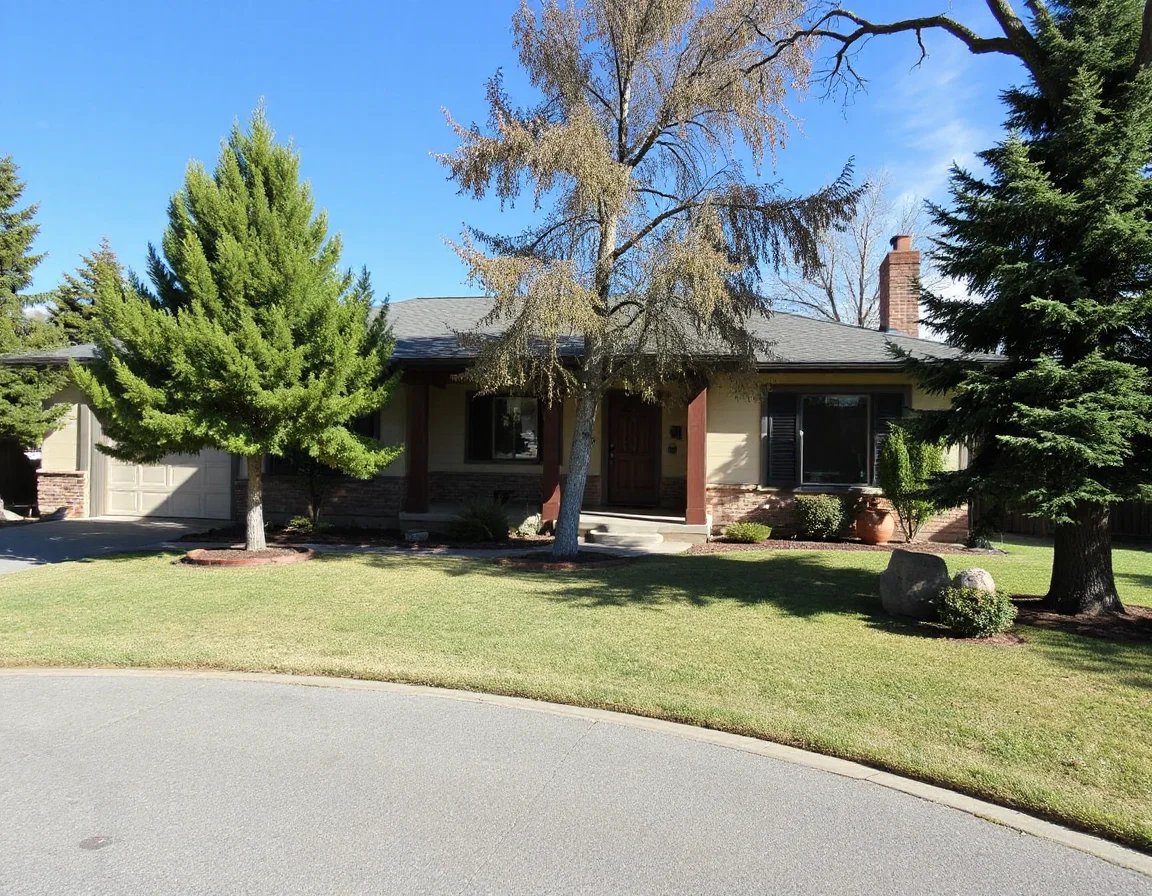
Older homes in communities with deep local roots often prompt useful questions: How have systems been maintained? What improvements have been made over time? Is the layout original, expanded, or reworked? In Cut Bank, those questions can lead to appealing finds, especially for buyers who appreciate established neighborhoods and the individuality that comes with homes built across different decades. You may see differences in lot size, garage placement, basement use, porch design, and exterior finishes that create more variety than a newer subdivision would offer.
At the same time, local history influences value in a broader sense. A well-kept home on a block with visible pride of ownership can stand out, especially when it balances original character with modern maintenance. That is why pricing, presentation, and neighborhood context matter so much here. Understanding how a property fits into the town’s development story can help both buyers and sellers make sharper decisions.
Talk with Jessica about Cut Bank homes
Why this spotlight matters for buyers and sellers
Cut Bank is not defined by one feature alone. Its appeal comes from the way several pieces work together: parks that create breathing room, a Main Street that still serves a purpose, and local history that gives the housing stock personality and context. For buyers, that means looking beyond finishes and asking how a property connects to the town around it. For sellers, it means presenting a home in a way that highlights location, usability, maintenance, and the everyday advantages of the block.
In a market where authenticity counts, Cut Bank has a clear story to tell. It is a place where practical details matter, where public spaces help shape neighborhood feel, and where local history remains visible in the built environment. Whether someone is browsing for a first look or getting serious about a move, understanding those layers can make the search more informed and the next step more confident.