A move to Glacier County is often as much about day-to-day convenience as it is about mountain views and open skies. From parks and recreation access to grocery stops, local dining, and typical housing patterns, this guide highlights the practical details that help buyers and movers picture everyday life. If you want a clearer sense of what living here actually feels like between weekends and workdays, this overview is built for that.
What Everyday Life Looks Like in Glacier County
Set along Montana’s dramatic northern landscape, Glacier County offers a blend of scenic surroundings and practical small-community living. People moving here often start with the big-picture appeal: proximity to extraordinary natural beauty, a strong sense of place, and room to breathe. But once the boxes are unpacked, daily routines matter most, and that is where a local understanding becomes especially useful.
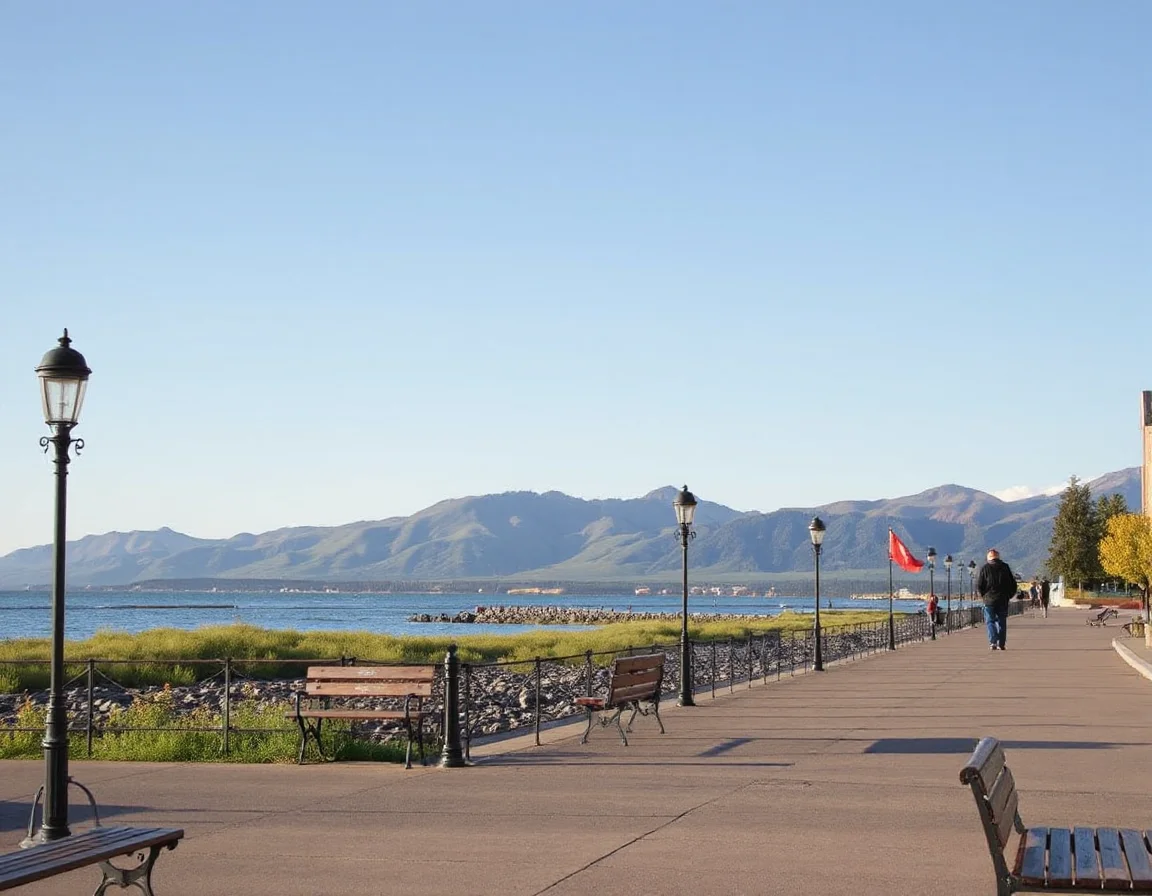
Across the county, communities such as Cut Bank, Browning, and nearby surrounding areas each bring a slightly different rhythm. Some locations place you closer to civic services and daily errands, while others lean more toward open land, long views, and quieter residential spacing. That variety can be a real advantage for buyers who want options in lot size, home style, and proximity to town amenities without leaving the broader Glacier County area.
Road access and seasonality are also part of the experience. In this part of Montana, weather can shape commutes, recreation, and maintenance schedules, so buyers often benefit from looking beyond square footage and considering driveway exposure, storage, mudroom space, and ease of travel to the places they visit most often. Those practical factors can have a major impact on how comfortable a property feels year-round.
In Glacier County, the best home search criteria are often practical ones: distance to errands, winter access, storage space, and how the property functions in every season.
Parks, Open Space, and Recreation Close to Home
One of the most appealing parts of living in Glacier County is how closely daily life connects to the outdoors. Local parks, open green space, athletic fields, and nearby recreation areas give residents regular access to fresh air and movement without needing an elaborate weekend plan. Even a short drive can open up a broad range of outdoor options, from walking paths and community parks to fishing, hiking, and sightseeing routes farther out.
Of course, the region’s headline attraction is the surrounding natural landscape, including access routes that connect toward Glacier National Park and other scenic destinations in northwestern Montana. While not every home is immediately adjacent to a trailhead or viewpoint, many properties still benefit from the county’s overall outdoor orientation. Buyers who value easy access to recreation often look for homes that support that lifestyle with garage storage, flexible entry space, and yards that make outdoor gear easier to manage.
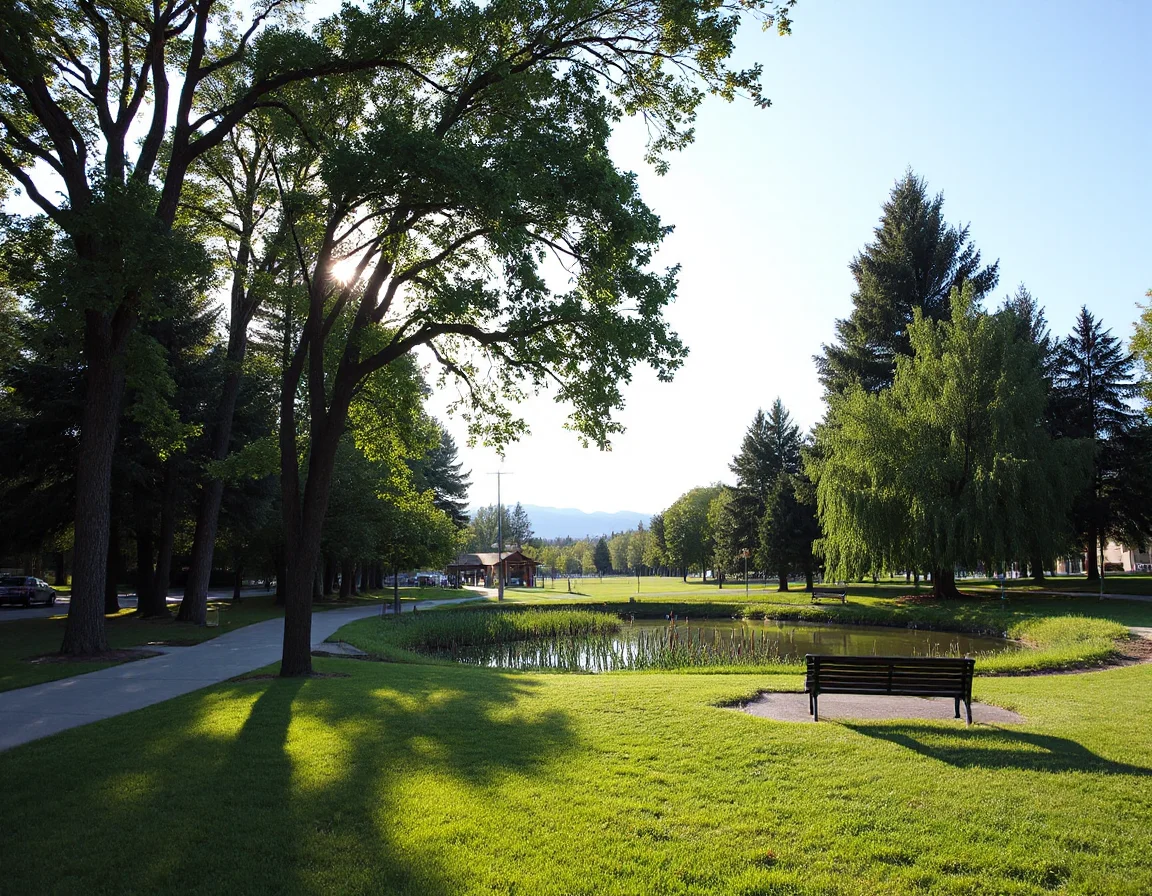
For people comparing communities, it helps to think in layers. There is the immediate convenience of nearby green space for a quick walk or casual outing, and then there is the larger regional draw of lakes, trails, mountain drives, and public lands. Glacier County stands out because both scales can be part of everyday life. A home here is not just a shelter; it can also be a basecamp for regular outdoor routines.
That said, access can vary by neighborhood and road network, so it is wise to map out your likely drive times to the destinations you care about most. Whether that means a local park, a fishing spot, or a scenic route for weekend drives, those details are worth reviewing before making an offer.
Search Glacier County listings
If recreation is high on your priority list, compare homes by how easily they support gear storage, vehicle access, and quick departures for nearby outdoor plans.
Dining, Errands, and the Essentials That Shape a Routine
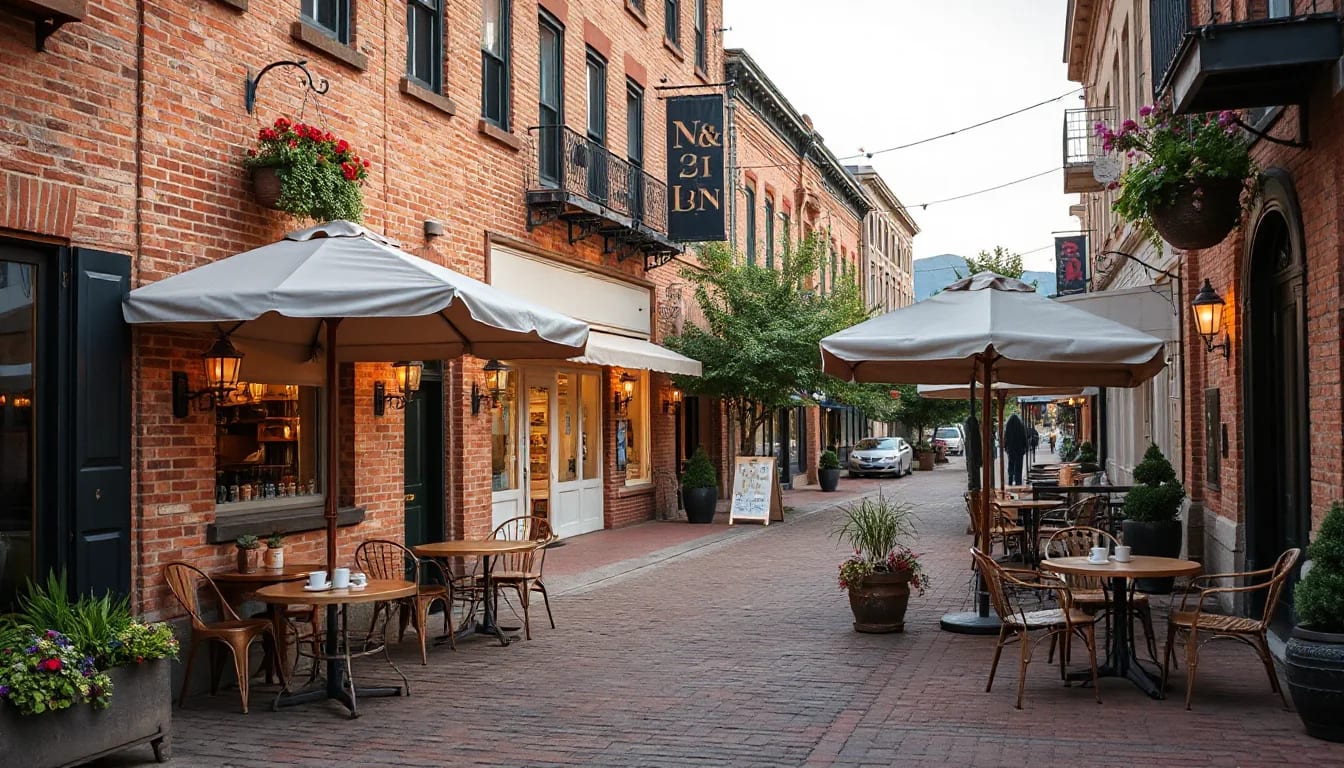
When people imagine a move to a scenic rural county, they sometimes overlook the importance of ordinary stops: groceries, fuel, pharmacies, schools, banking, hardware, and a dependable meal out. In Glacier County, those essentials are woven into the character of its communities. The county’s established population centers provide the service base that supports everyday living, and that creates a practical framework for both longtime residents and new arrivals.
Local dining tends to reflect the region’s straightforward, community-centered style. Rather than an endless lineup of trendy concepts, the appeal often comes from familiar gathering places, locally known favorites, and businesses that are part of the daily routine. That kind of consistency can be a strong quality-of-life factor, especially for buyers who value convenience and a more grounded pace.
Errand planning matters here more than it might in a larger metro area. Depending on where you live, you may group several stops into one trip, particularly during winter weather or busy workweeks. That does not make the area less functional; it simply means location decisions should be based on realistic habits. A house that is ten or fifteen minutes closer to your most common destinations may feel meaningfully different over time.
For that reason, many buyers benefit from touring not only the home but also the route between the property and the places they expect to visit regularly. Seeing the drive, road conditions, and surrounding services firsthand can clarify whether a property fits your preferred routine.
Housing Style, Layout Priorities, and What Buyers Often Notice
Glacier County’s housing mix can include modest in-town homes, larger lots on the outskirts, and properties with a more rural setup. The right fit depends less on labels and more on how you want your home to function. Some buyers prioritize easy upkeep and a shorter trip to town. Others place more value on extra outbuildings, workspace, land, or a buffer of open surroundings.
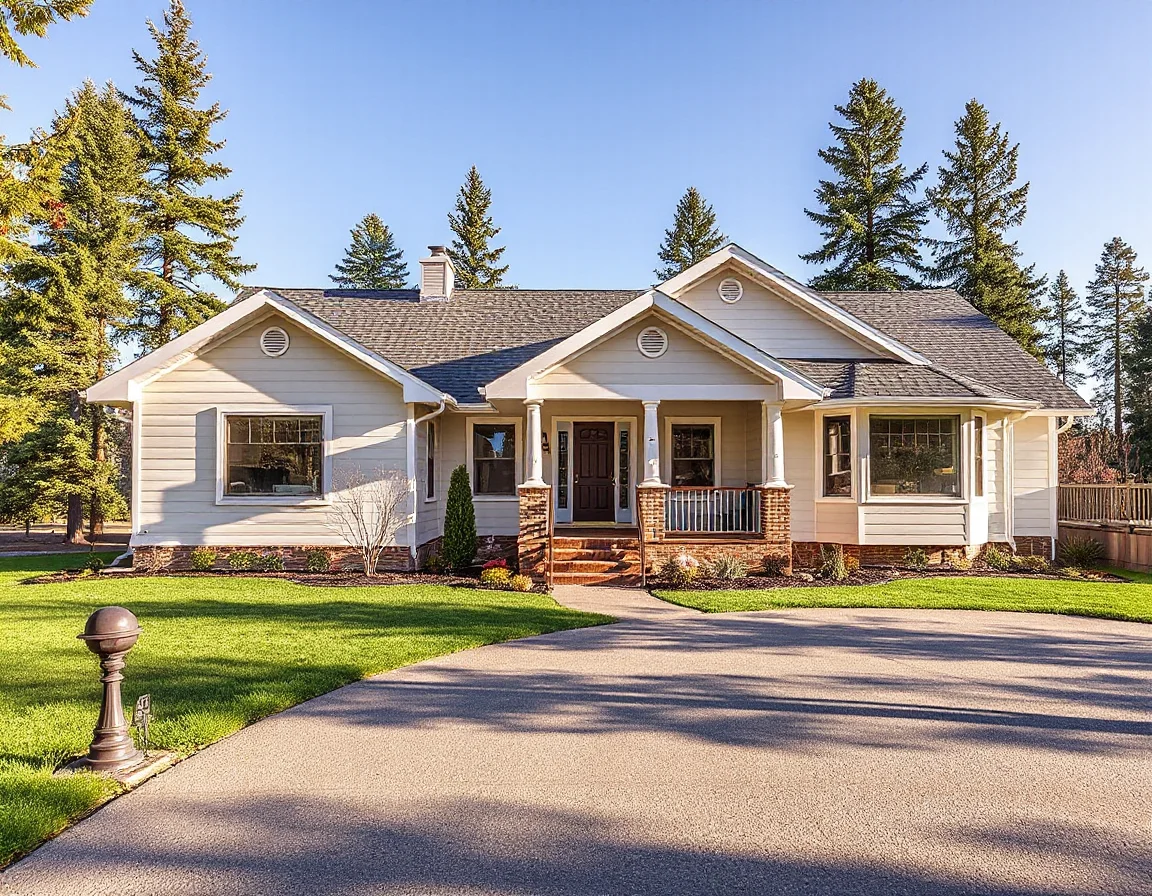
Inside the home, practical layouts often stand out. Entry areas with room for coats and boots, kitchens with durable work surfaces, and storage that supports seasonal living can matter just as much as visual style. In colder climates, buyers frequently appreciate features that make winter easier, such as attached garages, updated windows, efficient heating systems, and manageable snow removal access.
Lot configuration is another key point. A generous parcel can offer flexibility, but it also comes with maintenance responsibilities, especially in a region where weather shifts are part of the annual cycle. Reviewing utilities, outbuilding condition, fencing, drainage, and access routes can help you match a property’s benefits with its upkeep needs.
Because inventory can vary, buyers who are clear about their non-negotiables tend to move through the search more confidently. Instead of trying to find a perfect property on paper, it often works better to identify the features that will matter most six months after closing: commute practicality, room configuration, maintenance level, and overall livability.
Talk with Jessica about your move
How to Approach a Move With More Confidence
Relocating to Glacier County is easiest when expectations are grounded in how the area truly works day to day. The scenery is exceptional, but the smartest decisions usually come from the practical side of the move: understanding distances, comparing communities, matching the property to seasonal needs, and knowing which conveniences matter most to your routine.
For buyers who are still narrowing the search, the strongest next step is often simple: make a short list of your top destinations each week and compare homes accordingly. That could include parks, schools, grocery options, recreation routes, work locations, or regular service stops. Once those patterns are clear, the right property tends to stand out faster.
Glacier County rewards people who appreciate both beauty and function. If you want a place where everyday errands, outdoor access, and a distinctly Montana setting all come together, it offers a compelling mix worth exploring carefully.