
The maintenance projects that protect resale value are rarely the flashiest ones. In Dayton, Montana, staying ahead of moisture, roofing, heating, drainage, and exterior wear can help a home present as cared for when it is time to sell. A practical maintenance plan also gives homeowners a clearer record of the work behind the property.
Start With the Systems Buyers Cannot Easily See
A freshly painted room can make a positive first impression, but the condition of a home’s core systems often carries more weight during inspections and negotiations. Preventive maintenance does not guarantee a particular sale price, yet it can reduce avoidable concerns, support buyer confidence, and help preserve the useful life of major components. In Dayton’s four-season climate, a little consistent attention can be especially valuable.
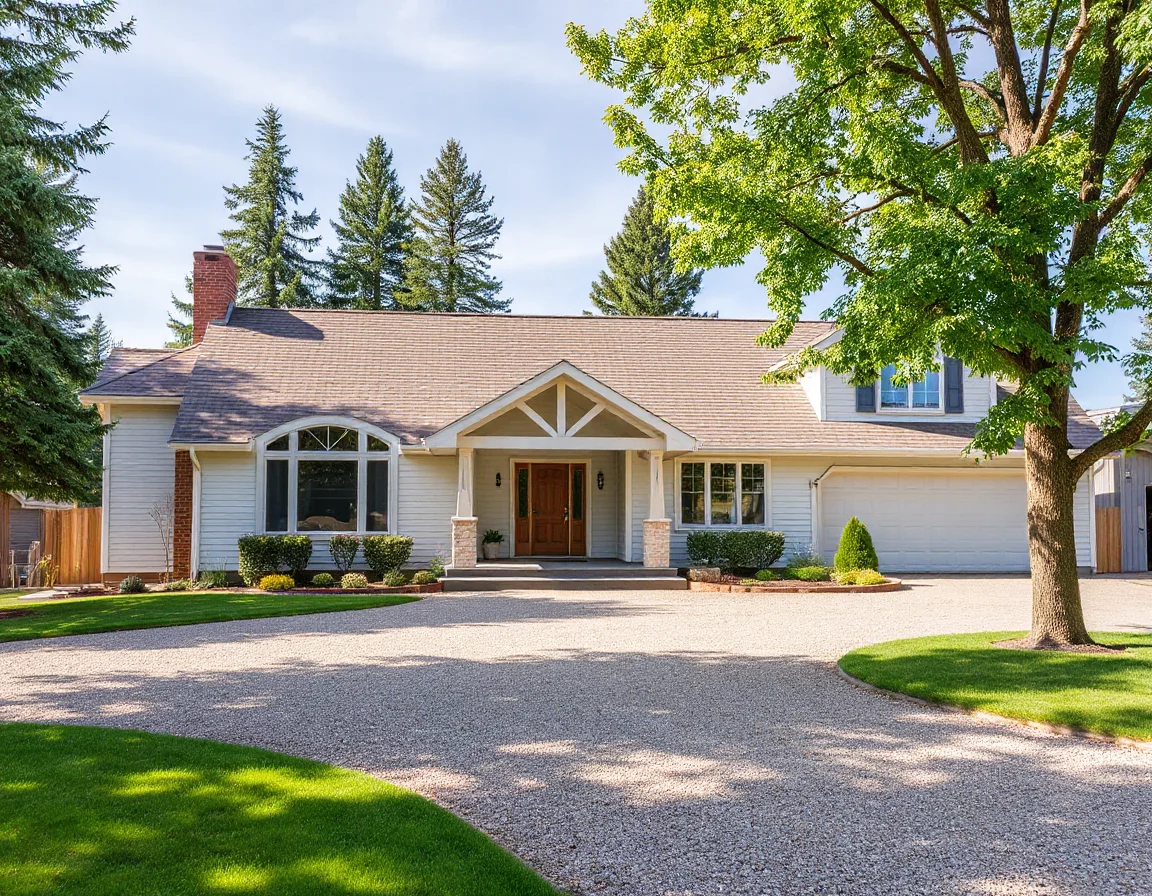
Roofing and drainage deserve an early place on the checklist. Look for lifted or missing shingles, loose flashing, damaged vent boots, clogged gutters, and downspouts that send water toward the foundation. Water is persistent: a minor leak around a roof penetration or an area where runoff collects can become a larger repair if it is ignored through multiple seasons. Cleaning gutters, extending downspouts where appropriate, and correcting grading issues are often straightforward projects compared with repairing moisture damage later.
Heating and ventilation also matter in a region with cold winter weather. Schedule routine service for furnaces, boilers, heat pumps, wood stoves, and chimneys according to manufacturer recommendations and local professional guidance. Replace filters on schedule, confirm that vents are unobstructed, and keep records of service visits. If a system is nearing the end of its expected life, an honest evaluation can help you decide whether continued maintenance or replacement is the more sensible long-term choice.
A folder of dated receipts, service reports, warranties, and contractor contacts can be nearly as useful as the maintenance itself when buyers are reviewing a property’s condition.
Plumbing checks are another high-value habit. Watch for slow leaks beneath sinks, around toilets, near water heaters, and at exterior hose connections. Test shutoff valves occasionally so they are usable when needed, and inspect visible pipes for corrosion or insulation gaps. In homes that sit vacant for part of the year, a seasonal plan for temperature control and water management can help prevent costly surprises.
Protect the Exterior Before Small Wear Becomes Major Work
The exterior is the home’s first line of defense against sun, wind, moisture, and changing temperatures. It is also the first part of a property most prospective buyers see. A tidy, maintained exterior communicates care without relying on cosmetic shortcuts, while unresolved deterioration can lead people to wonder what else may need attention.
Walk the property at least twice each year with a practical eye. Check siding for cracked boards, loose panels, peeling paint, and areas where trim has opened up around windows or doors. Inspect caulk at exterior joints and replace it when it has split, pulled away, or become brittle. Prompt touch-ups on painted surfaces can be far less involved than waiting until bare material has been exposed to the elements.

Landscaping is not only about appearance. Keep vegetation trimmed away from siding, roofing, utility equipment, and walkways. Trees should be monitored for dead limbs, branches rubbing against the roof, and growth that could affect overhead lines. Maintain clear access to septic components, wells, utility meters, or other property infrastructure as applicable. Thoughtful landscape care supports drainage, helps limit pest entry points, and makes routine inspections easier.
Driveways, paths, stairs, railings, decks, and porches merit regular attention as well. Freeze-thaw cycles can widen small cracks in concrete or asphalt, while loose fasteners and weathered boards can make exterior structures feel neglected. Repairing a damaged step, securing a handrail, resealing a deck when appropriate, or addressing a drainage rut in a drive are practical steps that can improve day-to-day use and reduce deferred maintenance.
When planning projects, separate necessary repairs from optional upgrades. Replacing failed materials, resolving water intrusion, and maintaining structural components generally come before trend-driven changes. A new finish may be appealing, but it will not compensate for a roof leak or an exterior surface that needs attention.
Keep Interiors Functional, Clean, and Easy to Evaluate
Inside the home, resale-conscious maintenance focuses on function, cleanliness, and consistency. Pay attention to doors that stick, windows that do not latch, dripping faucets, cracked grout, loose cabinet hardware, damaged flooring, and electrical plates or outlets that need repair. None of these items may seem urgent on its own, but a collection of small unfinished jobs can shape the overall impression of a property.
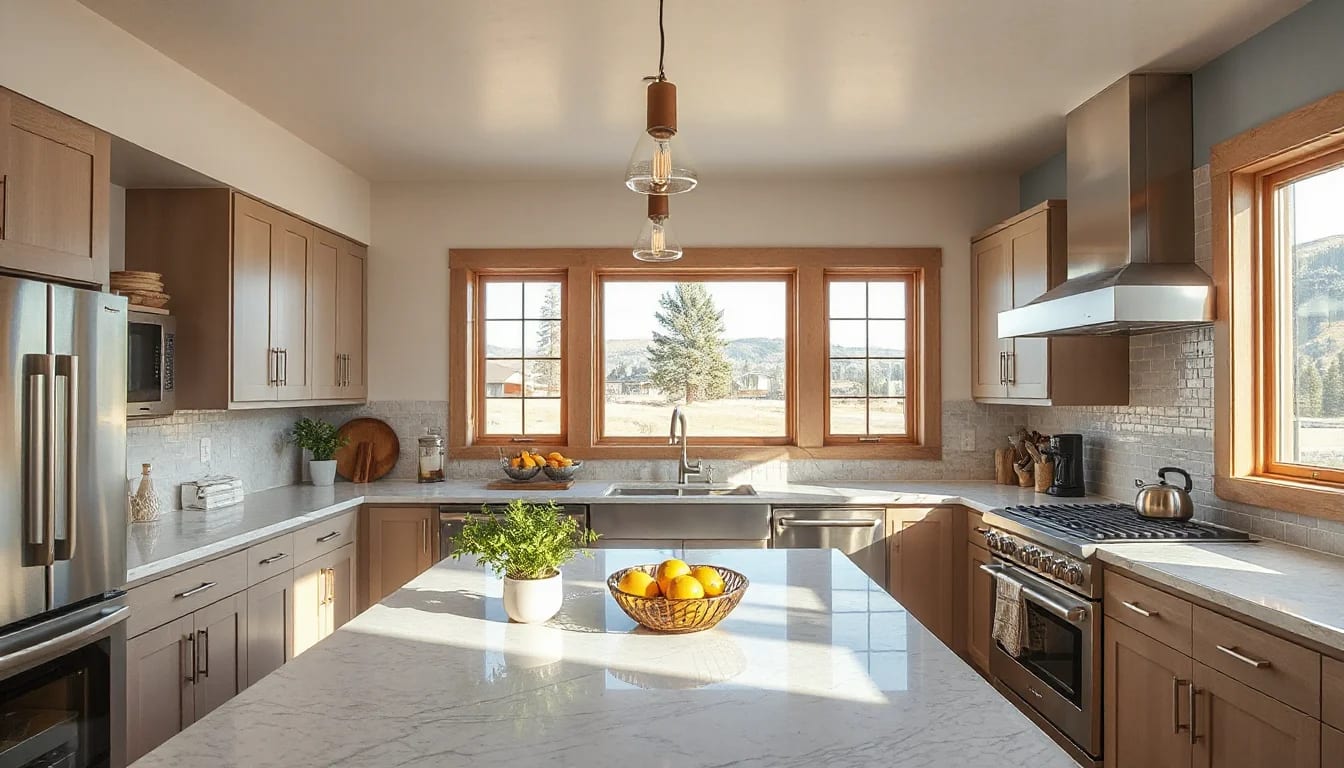
Kitchens and bathrooms deserve particular care because they combine plumbing, ventilation, finished surfaces, and frequent daily use. Run exhaust fans and confirm they vent properly. Repair failed caulk around tubs, showers, backsplashes, and sinks before moisture reaches surrounding materials. Keep appliance manuals and note the installation dates for major appliances when known. If you replace an appliance or fixture, choose durable options that suit the scale and style of the home rather than making a rushed purchase solely for a future listing.
Do not overlook safety and efficiency basics. Test smoke alarms and carbon monoxide alarms regularly, replace batteries or units according to their instructions, and make sure electrical panels remain accessible. Weatherstripping and door sweeps can improve comfort while reducing drafts. If you are considering insulation, window, or heating upgrades, obtain estimates and review likely maintenance needs alongside energy-performance goals.
Create a Practical Seasonal Maintenance Calendar
A calendar turns maintenance from a vague intention into a manageable routine. Spring is a useful time to inspect roofing, clean gutters, review drainage after snowmelt, check exterior surfaces, and prepare outdoor water connections. Summer can be dedicated to paint touch-ups, vegetation management, deck or porch care, and cooling-system service where applicable.
In fall, clear leaves and debris from drainage areas, winterize systems as appropriate, inspect weatherstripping, service heating equipment, and check that fireplaces or wood-burning equipment are ready for use. Winter is often best for monitoring indoor humidity, watching for ice buildup or unusual drafts, and noting repairs to tackle when weather improves. The exact schedule will vary by home type, site conditions, and equipment, but repeating the same review each year creates a useful baseline.
Before listing, focus first on active leaks, safety concerns, visible deterioration, and incomplete repairs. Buyers often notice deferred maintenance more quickly than they notice a newly purchased accessory.
For larger projects, obtain written scopes of work and keep invoices after completion. If permits, inspections, or warranties apply, store those documents with the property records. Professional advice is particularly important for electrical, structural, roofing, septic, well, chimney, and major mechanical work. A clear paper trail helps homeowners understand what has been done and allows future buyers to review the home with better context.
Prepare Early When a Sale May Be Ahead
The best time to address maintenance is usually before a listing date is on the calendar. Starting early gives you room to schedule qualified professionals, compare repair options, and let any new exterior paint, landscaping, or cleaning settle into a natural appearance. It also prevents the final weeks before listing from becoming a scramble of urgent decisions.
When the time comes to sell, a thoughtful review of the home’s condition can help prioritize what is worth completing and what can simply be documented. Jessica Hedges can help you look at a property through a market-ready lens, identify visible maintenance items that may affect presentation, and build a plan that fits your timeline. A well-maintained Dayton home does not need to be flawless; it needs to show a consistent pattern of care.