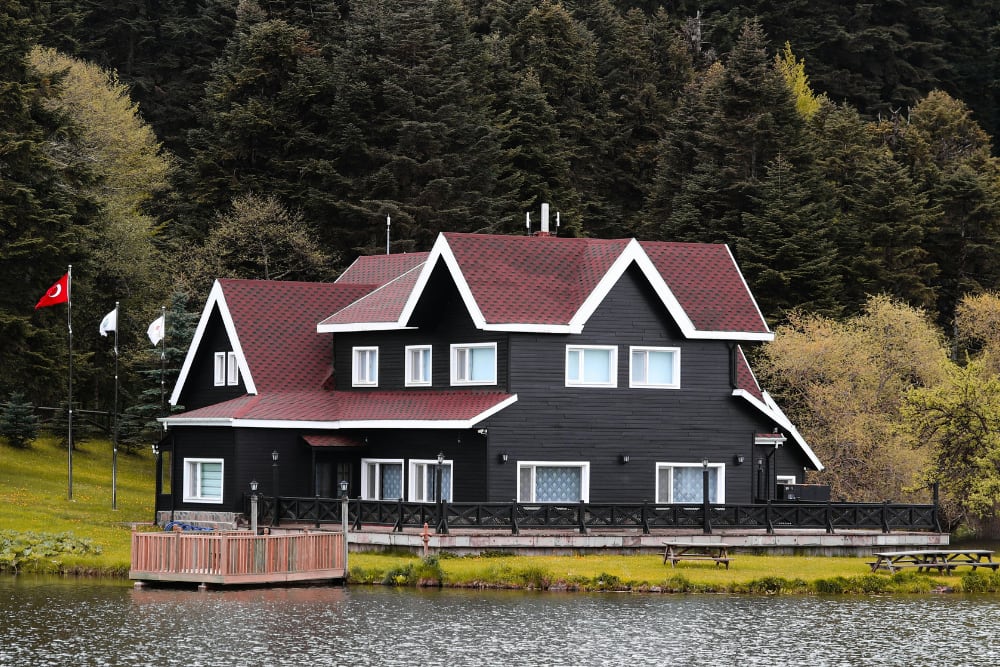
In today’s fast-paced world, many homebuyers are turning away from crowded urban centers and seeking properties that offer peace, privacy, and a deeper connection with nature. The desire for retreat living has grown significantly, driven by lifestyle changes, remote work opportunities, and a renewed appreciation for personal well-being. Buyers are increasingly drawn to homes that provide space and solitude, where they can recharge and escape the noise of modern life. This trend reflects not only a shift in housing preferences but also a broader cultural movement toward intentional living.
The Appeal of Retreat Living: Space, Privacy, and Wellness
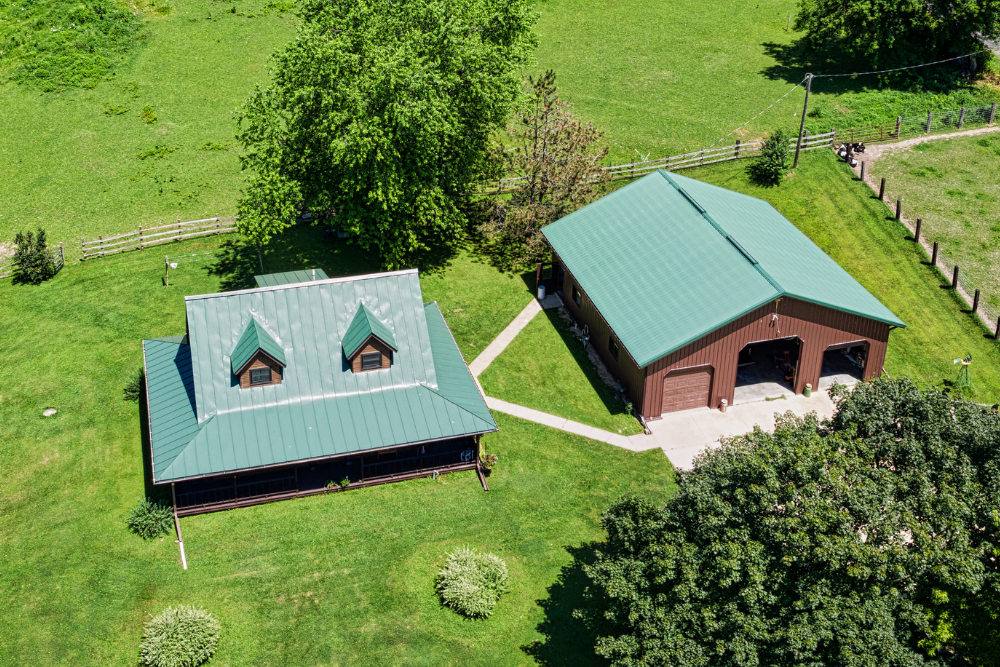
One of the strongest motivators for buyers seeking retreat-style homes is the promise of space. Larger lots, expansive outdoor areas, and homes situated away from busy streets provide a sense of freedom that urban living often lacks. Privacy is another key factor—buyers want homes where they can enjoy solitude without constant interruptions from neighbors or traffic.
Wellness also plays a major role. Properties surrounded by nature, whether nestled in the mountains, near lakes, or in rural communities, offer opportunities for outdoor recreation, meditation, and healthier lifestyles. The connection between environment and mental health is well-documented, and retreat living allows homeowners to prioritize balance and tranquility.
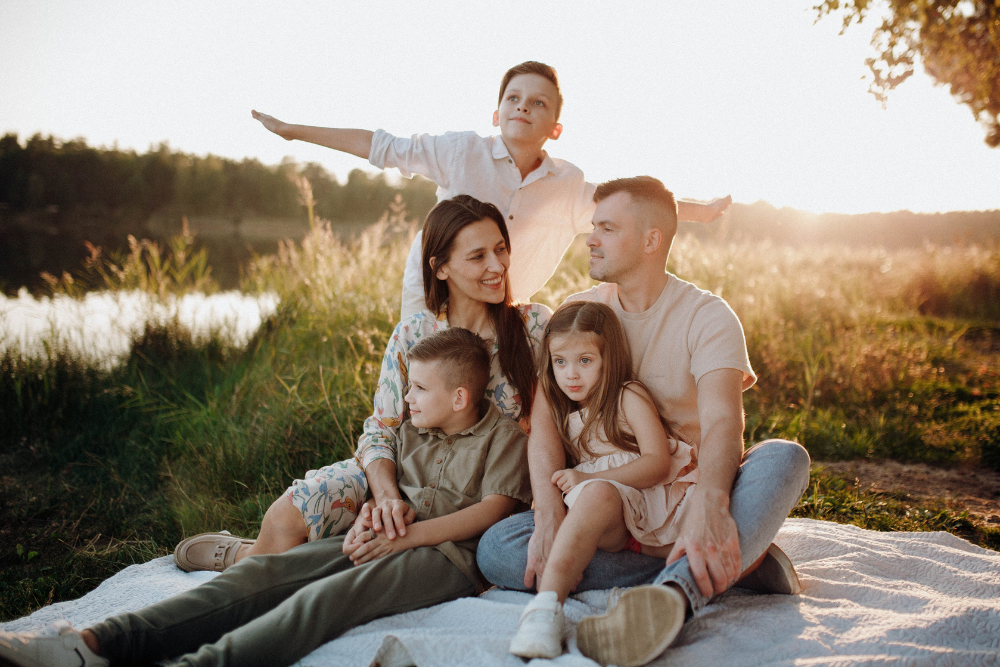
For many, retreat living is not just about buying a house—it’s about investing in a lifestyle that supports long-term happiness and well-being.
Market Trends Driving the Demand for Solitude
The rise of remote work has transformed the housing market. With fewer people tied to daily commutes, buyers are free to explore homes outside traditional city centers. This flexibility has fueled demand for properties in suburban, rural, and semi-rural areas where retreat living is possible.
Additionally, the pandemic reshaped priorities. Families and individuals began valuing outdoor space, home offices, and environments conducive to both productivity and relaxation. As a result, homes with acreage, scenic views, and proximity to natural amenities have become highly desirable.
Real estate data shows that buyers are willing to pay a premium for homes that offer privacy and solitude. Retreat-style properties often sell faster and attract competitive offers, especially in markets where inventory is limited. Realtors who understand this trend can better position themselves to meet buyer expectations and highlight the unique benefits of retreat living.
Designing and Investing in Retreat Properties
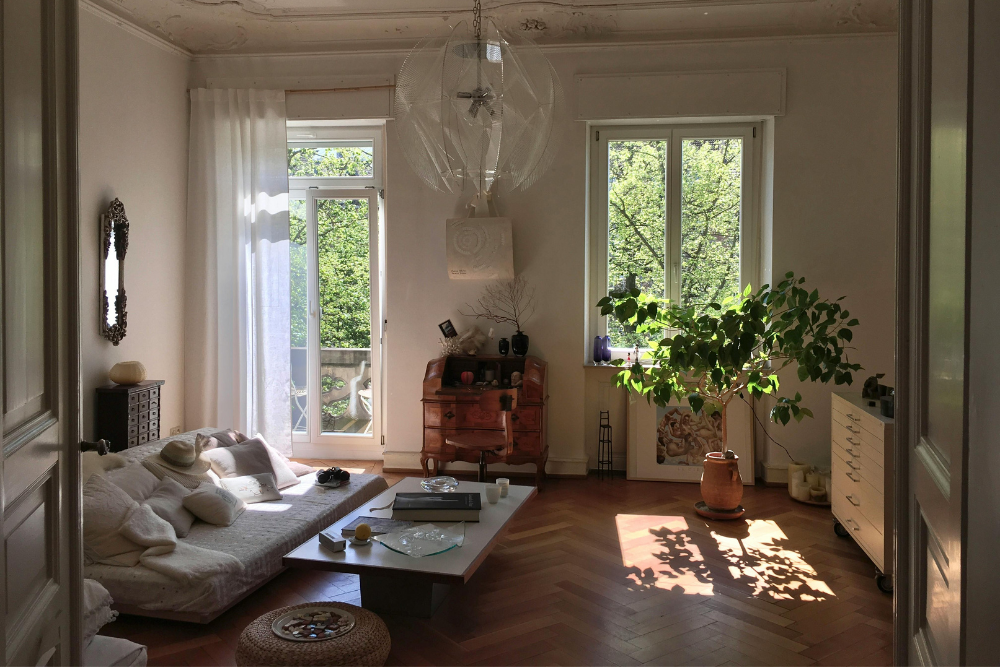
For buyers considering retreat living, design and functionality are crucial. Homes that maximize natural light, incorporate outdoor living spaces, and blend seamlessly with their surroundings are especially appealing. Features such as large decks, gardens, and private trails enhance the retreat experience.
From an investment perspective, retreat properties hold long-term value. As demand continues to grow, these homes are likely to appreciate faster than traditional urban properties. Buyers should consider factors such as accessibility, community amenities, and sustainability when choosing a retreat home.
Realtors can guide clients by showcasing properties that balance solitude with convenience. Highlighting nearby attractions, healthcare facilities, and essential services ensures buyers feel confident in their decision to embrace retreat living.
Retreat living is more than a housing trend—it’s a lifestyle choice that reflects a growing desire for space, solitude, and wellness. Buyers are increasingly drawn to homes that allow them to disconnect from the chaos of city life and reconnect with themselves and nature.
If you’re ready to explore properties that embody retreat living, now is the perfect time to take the next step. Discover homes that offer the peace and privacy you’ve been searching for.